News
The State of British Greyhound Racing: The Conversations, Concerns and Ideas for Change
Listening to owners, trainers, bookmakers and kennel staff about what could make British greyhound racing better.
By Guy Pearce · 5 November 2026
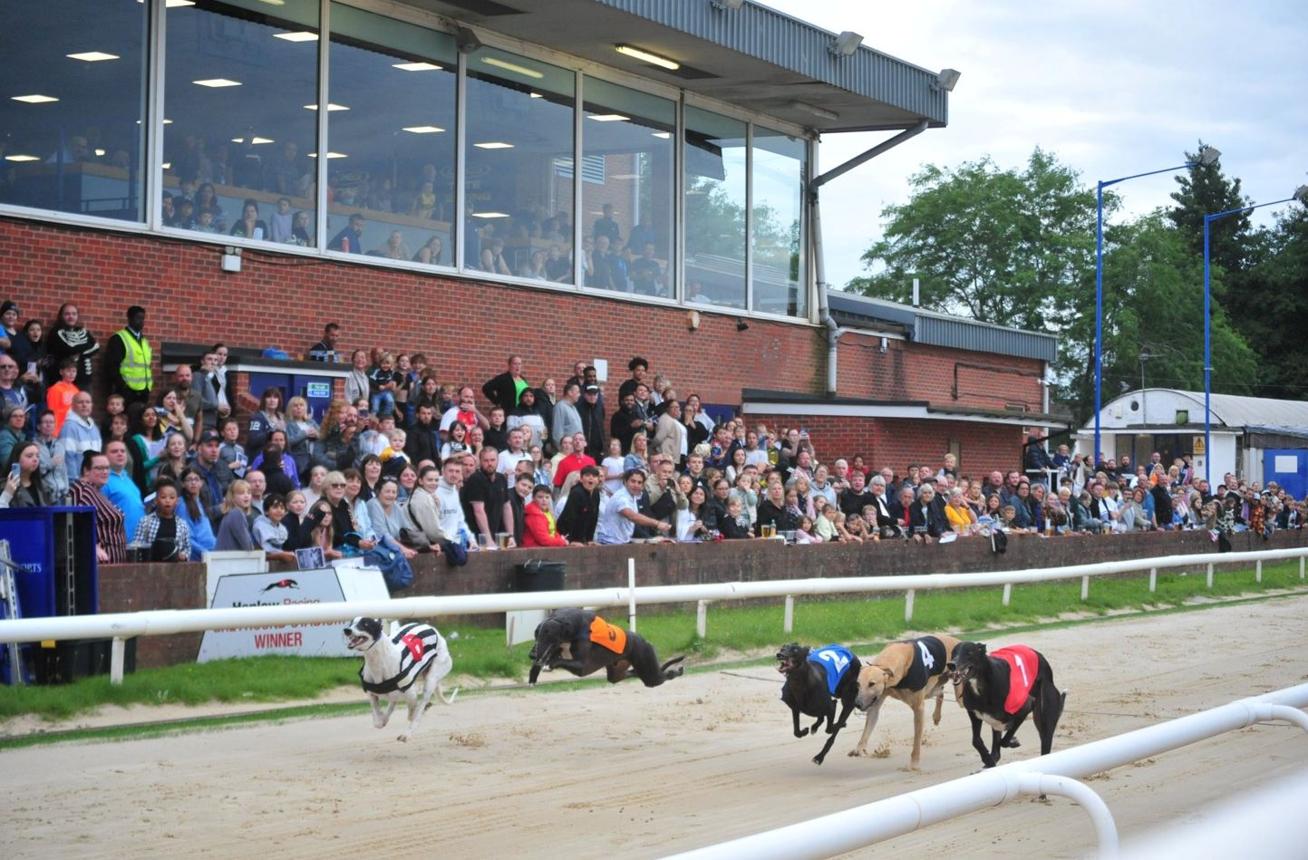
One thing we believe is important for the future of British greyhound racing is listening to the people who are involved in it every day.
Whether it’s owners investing in their dogs, trainers travelling the country, bookmakers trying to offer a competitive betting product or kennel staff working behind the scenes, everyone has a perspective worth hearing.
We’ve spoken to several people across the industry, discussing everything from track safety and prize money to betting restrictions and making owners feel more appreciated.
Here are some of the conversations and ideas that came out of those discussions.
⸻
Karl Parsonage – Trainer
Track Familiarisation and Competition Entries
Karl raised the suggestion that every greyhound should be required to have a look at a track before being entered for a race.
While we completely understand the importance of track familiarisation, we believe this requirement should apply to competitions rather than ordinary open races.
Take a trainer travelling three hours to Towcester with five dogs for open races. Under this proposal, they could potentially lose £350 in run money, alongside another £100 in fuel costs, simply because their dogs haven’t trialled at the venue beforehand.
That’s £450 out of pocket before they’ve even had the opportunity to compete.
Our concern is that this could discourage trainers from travelling to other tracks, particularly those who cannot afford to absorb these additional costs.
Our suggestion would be to make a trial at the track within the previous three months mandatory for competition entries, while keeping ordinary open races exempt.
We believe this offers a fairer balance between welfare, safety and the financial realities facing trainers.
Steven Evans – Bookmaker
Betting Limits and Bookmaker Liabilities
Our discussion with Steven focused on the restrictions punters face when trying to get a meaningful bet on, both on-course and online.
One suggestion was that on-course bookmakers should be required to lay a minimum of £1,000 while betting to a maximum of 130%. Steven highlighted a recent visit to Doncaster where one bookmaker was betting to 180%, raising questions about the competitiveness of some betting markets.
We also discussed whether the Government should introduce legislation requiring online bookmakers to accept bets to win a minimum of £500 on eligible British greyhound racing markets.
The principle is straightforward: if a customer has the available funds and wants to place a bet to win £500, why should they be restricted to a stake of just 67p?
Under the proposed system, bookmakers would have to offer a minimum liability, with appropriate safeguards against fraud and market manipulation.
Ultimately, we want to see betting become more attractive and accessible to punters, while ensuring bookmakers provide a reasonable level of service to the sport they profit from.
If bookmakers want to benefit from greyhound racing, should there be a minimum standard of betting service they are expected to provide?
Wayne Mazey – Kennelhand
Track Maintenance and Accountability
Wayne believes more needs to be done when it comes to track maintenance, with track staff being held to a higher standard.
We share that view. Track preparation and maintenance play a huge part in the safety and welfare of greyhounds, and there needs to be greater consistency across all licensed tracks.
There should be clear expectations of what is required, regular checks and accountability when standards aren’t met, with consequences where necessary.
Ultimately, trainers, owners and, most importantly, the dogs deserve confidence that every track is being maintained to the highest possible standard.
Ryan Washbourn – Owner, Heritage Racing
Recognising and Rewarding Owners
Ryan raised some interesting ideas around making ownership more rewarding, including special recognition when a dog reaches a competition final, perhaps through something as simple as a complimentary meal.
He also suggested introducing an Owner of the Month award to recognise owners whose dogs have performed particularly well.
We agree with everything Ryan has suggested. Ownership deserves far more recognition, and there are plenty of relatively inexpensive gestures tracks could introduce.
Some additional ideas we discussed included:
* Owner Appreciation Days: Dedicated days where owners receive discounted food and drink, complimentary refreshments and opportunities for behind-the-scenes track tours. * Milestone Recognition: Celebrate a dog’s first win, 50th win, 100th win, first competition final and major victories with framed photographs or certificates. * Loyalty Rewards: Reward owners who regularly support their local track with complimentary meals, drinks vouchers or hospitality upgrades. * Dog of the Month: Recognise performances beyond simply winning, including most improved, most consistent and best comeback. * Bring a Friend Scheme: Reward existing owners who introduce new people to the sport and encourage them to become owners themselves.
We don’t believe these ideas need to cost tracks a fortune. It’s about making owners feel appreciated and giving them something extra to look forward to.
Owners are the backbone of the sport. They invest enormous amounts of money, time and emotion into their dogs, and we believe tracks could do much more to recognise that.
Michael Young – Owner
Open Race Prize Money and Quality of Racing
“Open races are still offering the same standard prize money, whether it’s a £500 winner and £70 run money. I think the money would be better distributed, for example, £350 to the winner and £100 in run money. At least that way, owners travelling to the track have a better chance of covering their diesel costs, rather than having to rely solely on winning the race.”
Our discussion and further ideas:
We had a discussion around how open race prize money is currently distributed and whether there are better ways of rewarding owners for supporting the sport.
One suggestion was to look at reducing the overall number of open races on a card, with the money saved from those races redistributed across the remaining opens.
Rather than trying to fill a 12-race card with open races just for the sake of it, potentially including three-dog races where the standard simply isn’t there, we could focus on putting on fewer but better-quality contests.
This could achieve two things:
* Increased prize money: Better rewards for the owners and trainers competing in open races. * Improved racing: Stronger, more competitive fields that offer a better spectacle for spectators and a better betting product.
There is little benefit in filling a racecard with races that struggle to attract the required quality. Ultimately, watching a dog finish 10 lengths behind does very little for the entertainment value, and from a betting perspective, it can be equally frustrating.
Sometimes, less really could be more. Better-quality fields, more competitive racing and a fairer reward for the people travelling up and down the country to support the sport.
Barry Johnson – Former Trainer
Bringing the Next Generation Into Greyhound Racing
One of the biggest questions facing British greyhound racing is what the sport will look like in 10 or 20 years’ time. Without younger people coming through as owners, trainers, breeders and enthusiasts, what future does the sport have?
We believe the GBGB needs to do more to encourage and support young people entering the industry.
Some ideas we discussed include:
* Young Owners Scheme: Discounted ownership packages for under-30s to make getting involved more affordable. * Apprentice Trainer Programme: Opportunities for young people to learn from established trainers and gain practical experience. * Reduced Registration Fees: Financial incentives for young owners, breeders and trainers starting out. * Mentorship Scheme: Pair newcomers with experienced people in the industry to help guide them. * Track Open Days: Give young people the chance to visit kennels, meet trainers and experience the sport behind the scenes.
Tracks also need to play their part through social media, affordable entry and events that appeal to younger audiences.
Welfare must always remain at the heart of the sport, but securing its future means investing in the people who will run it in years to come.
We cannot keep relying on the same generation to sustain British greyhound racing. If we want the sport to still be here in 20 years, we need to start bringing the next generation through today.
⸻
The Bigger Picture
Although these discussions cover very different areas of greyhound racing, there is a common theme running through all of them.
People want to see a sport that rewards its participants, looks after its greyhounds, provides a competitive betting product and gives owners and trainers more reasons to keep investing their time and money.
None of these suggestions individually will transform British greyhound racing overnight. However, we believe they are conversations worth having.
We don’t claim to have all the answers, and not every suggestion will be practical or financially achievable. But ignoring the concerns of the people involved in the sport isn’t going to move it forward either.
We’re young, we’re passionate about greyhound racing and we aren’t interested in sitting on the fence. If something could be done better, we want to talk about it.
Because if the sport wants a future, it needs to start listening to the people who make it what it is.