News
Is Open Racing Getting Better, or Is the Sport Standing Still?
The sport wants better greyhounds, stronger fields and bigger competitions, but none of that comes without investment. So why aren't we doing more to attract, reward and retain the owners who make it all possible?
By Guy Pearce · 17 November 2026
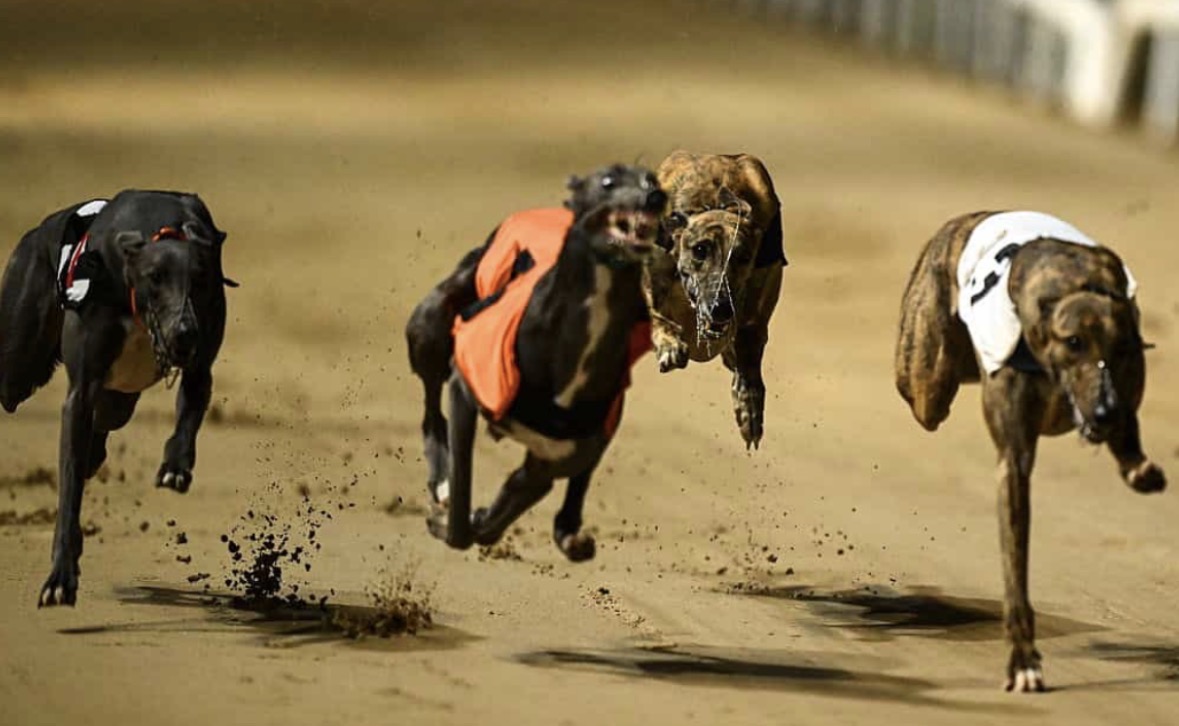
Quality of Racing – Are We Seeing Better Competition and Stronger Fields?
Short answer: No.
In my opinion, one of the biggest problems with open racing at the moment is the number of races being filled with greyhounds that simply aren’t open class. We seem to have too many races where the quality of the field is being sacrificed just to get six runners on the track.
Race fillers don’t make for good viewing, and they certainly don’t make for particularly attractive betting opportunities. Open racing should be about bringing the best greyhounds together, creating competitive races where several runners have a genuine chance of winning. That’s what gets people interested, that’s what creates excitement and that’s what makes people want to tune in or turn up at the track.
Of course, not every race can be full of superstars, and there will always be different levels of ability within open racing. But there has to be a standard. If we’re calling something an open race, then the expectation should be that the greyhounds lining up are capable of competing at that level.
I’d much rather see fewer races with stronger, more competitive fields than a packed schedule full of races where the outcome looks predictable before the traps have even opened. Quality should always come before quantity.
If we want to attract more viewers, more punters and ultimately more interest in open racing, then the product on offer has to be good enough to keep people coming back. At the moment, I don’t think we’re getting that right often enough.
Prize Money – Is There Enough Financial Incentive for Owners and Trainers?
I think this is another area where greyhound racing needs to take a serious look at itself.
Prize money for the classic competitions has increased over the years, which is encouraging and something that should be recognised. However, when you look at standard open races, the prize money has largely stayed the same. There needs to be more incentive for owners and trainers to compete at this level, particularly when you consider the costs involved in keeping and campaigning a greyhound.
But perhaps the biggest talking point is the English Greyhound Derby. It’s the biggest competition in the sport, the one everybody wants to win, and arguably the biggest shop window for British greyhound racing. Yet the winner’s prize money has remained at £125,000 for around 20 years.
If you take that £125,000 and adjust it for inflation, you’re looking at approximately £215,000 in today’s money. That’s the sort of figure the Derby should be aiming towards if it wants to maintain its status as the sport’s showpiece competition.
The Derby deserves to be treated differently. It’s the competition that attracts the biggest names, the most attention and the greatest interest from across the sport. Surely its prize money should reflect that.
I’m not suggesting every open race needs a huge increase overnight, but there needs to be a longer-term plan to improve the financial rewards throughout the sport. Owners invest significant amounts of money, trainers put in countless hours, and the greyhounds are the stars of the show. There needs to be a better financial return for those involved.
Ultimately, if we want to attract bigger owners, encourage more investment and keep the best greyhounds competing in Britain, prize money has to be part of that conversation. The sport can’t keep expecting people to invest more while offering the same rewards.
Competition Calendar – Are There Enough High-Quality Competitions?
I think there are too many top-class competitions being run throughout the year, and I believe the calendar could be organised much better.
For me, competitions over each distance need to be spread out more evenly. We seem to have situations where greyhounds are going from one major competition straight into another, sometimes with very little time in between. That doesn’t necessarily give the dogs the best opportunity to prepare properly, and it can mean connections are having to make decisions about which competitions to target rather than being able to give their greyhound the preparation it deserves.
I’d like to see a more structured calendar, with the major competitions over each distance spaced out throughout the year. This would give trainers and owners a clearer picture of what they’re targeting and allow them to plan their greyhounds’ campaigns accordingly.
It would also give each competition more of its own identity. Rather than having several big competitions competing for attention at similar times, we could have major events that people look forward to throughout the season.
So what would I change?
Firstly, I’d look at creating a proper annual calendar for each distance, making sure the biggest competitions aren’t clashing or following on from one another too closely.
I’d also like to see a more balanced approach to how competitions are scheduled. For example, when we have a major four-bend competition taking place, why not run a strong six-bend competition and a sprint competition alongside it?
This would give owners and trainers competing over different distances something major to target at the same time, rather than having competitions for each distance following one another in quick succession.
It would also create a much stronger overall racing programme. Fans would have top-class action across different distances to look forward to, while the same greyhounds wouldn’t constantly be expected to move from one major competition to another.
I think this is a much better way of spreading the quality throughout the calendar, giving each distance its own big events while keeping the standard of racing high.
Ultimately, the greyhounds have to come first. They’re the ones doing the running, and we need to give them the time and preparation required to perform at their best. A better-spaced competition calendar would benefit the dogs, their connections and potentially the quality of racing we’re watching.
New Talent – Are We Producing the Next Generation of Superstar Greyhounds?
I think breeding has slowed down compared to what it was years ago, but there is an argument that the quality of greyhounds being produced today is better than we’ve seen previously.
It seems to be becoming a case of quality over quantity. Rather than breeding in the numbers we once saw, there appears to be more emphasis on producing better-bred greyhounds with the potential to compete at the highest level. That’s encouraging, because the sport needs a constant supply of young talent coming through if it’s going to keep producing the next generation of superstars.
But there’s another side to this, and that’s the money involved.
Where is the financial incentive for people to justify spending £30,000 on a top-class greyhound? At that sort of price, you’re buying a dog with serious expectations, but how do you realistically get that investment back?
You could argue that you’d need to win at least two Category One competitions just to recover the initial purchase price, and that’s before you even start considering training fees, travel, veterinary bills and all the other costs involved in campaigning a greyhound.
That’s a huge commitment, even for someone who is serious about investing in the sport.
I think this is something that needs looking at. If we want people to continue investing in high-quality greyhounds, there needs to be a better financial incentive to do so. The sport needs owners who are willing to spend big money, but it also needs to give those owners a realistic opportunity to see a return on their investment.
There is clearly talent being produced, and I don’t think the quality of breeding is necessarily the problem. The bigger question is whether the sport is doing enough to make investing in that talent financially worthwhile.
Producing the next superstar is one thing. Making sure there’s a sustainable market for those superstars is another.
The Future – What Needs to Change to Make Open Racing Even Better?
For me, one of the biggest changes needed is more selective entries and a better overall standard of open racing.
I think we have too much open racing at the moment, and sometimes it feels like we’re prioritising the number of races over the quality of what’s actually being put on.
Rather than having 12 races on a card, with several of them being filled by greyhounds that are more suited to graded racing, why not have eight races made up of genuine open-class greyhounds?
I’d much rather watch eight competitive races with strong fields than 12 races where we’re struggling to make up the numbers. Open racing should be exactly that: open-class greyhounds competing against one another.
I also think there’s an opportunity to look at how the money is distributed. If we’re reducing the number of open races, could some of that prize money be redistributed to increase the value of the remaining races? That would give owners and trainers a better financial incentive while also improving the product being put in front of the public.
Of course, this would need careful planning, and tracks would need to make sure there are still enough opportunities for different grades of open-class greyhounds. But I believe a more selective approach would benefit the sport in the long run.
Ultimately, we need to stop measuring the success of open racing by how many races we can put on and start measuring it by the quality of those races. Give people competitive fields, genuine stars and races worth watching. That’s how you build interest in the sport and give open racing a stronger future.
Better Promotion and Exposure – Is Open Racing Doing Enough to Sell Itself?
I think one of the biggest missed opportunities in greyhound racing is how little we do to promote the product we already have.
We have some fantastic greyhounds, talented trainers, passionate owners and competitions that deserve far more attention than they currently receive. Yet, outside of the regular racing audience, how many people actually know about these dogs, their achievements or the stories behind them?
For me, open racing needs to do a much better job of selling itself. We spend a lot of time talking about the problems facing the sport, but sometimes I think we overlook one of the biggest opportunities sitting right in front of us: the greyhounds themselves.
People need something to connect with. They need to know the names, recognise the personalities and have greyhounds they genuinely look forward to watching. Too often, coverage starts and finishes with a race result. We report who won, who finished second and what time was recorded, but there’s so much more to the story.
Why aren’t we doing more interviews with trainers and owners? Why aren’t we following the journeys of promising young greyhounds as they progress towards the biggest competitions? Why aren’t we building anticipation around major finals in the same way other sports build up their biggest events?
Social media is a huge opportunity that I don’t think the sport is making the most of. Regular video content, behind-the-scenes footage, interviews, race previews and personality-driven features could all help bring a wider audience into open racing.
Television coverage also has a massive role to play. When we have the biggest competitions of the year, they should feel like major sporting occasions. Build the stories, introduce the contenders, give viewers reasons to pick a favourite and make people feel part of the occasion rather than simply watching another race on a card.
I also think there needs to be more consistency. Promotion shouldn’t suddenly appear when the Derby or another Category One competition comes around. It should be happening throughout the year, giving supporters something to follow and new audiences a reason to come back.
We have the athletes, we have the competition and we have the stories. What we need now is a much better job of putting them in front of people.
If we want more people watching, following and betting on open racing, we need to give them reasons to care about what’s happening. The sport shouldn’t just be selling a greyhound race; it should be selling the personalities, the rivalries, the journeys and the excitement that come with it.
The product is there. We just need to get better at selling it.
More Support for Owners and New Investment – Is the Sport Doing Enough to Attract Owners?
I think the sport needs to do considerably more to attract new owners and, just as importantly, keep the owners it already has.
Without owners willing to invest in quality greyhounds, the standard of open racing will eventually suffer. Owners are the people putting their money behind the sport, buying the greyhounds, paying the bills and giving trainers the opportunity to compete at the highest level. Yet I don’t think they always receive the recognition or financial incentives their investment deserves.
The costs involved in owning and campaigning a top-class greyhound are significant. As we’ve already touched on, spending £30,000 on a potential superstar is a huge commitment, particularly when you consider training fees, veterinary bills, transport and the general costs of keeping a greyhound in competition.
The question is, what is the sport doing to make that investment more attractive?
I’d like to see more effort put into recognising owners and making the ownership experience something people genuinely want to be part of. Better owner facilities at tracks, more recognition on race nights, improved hospitality and initiatives aimed at attracting new people into ownership would all be positive steps.
I’d also like to see more thought given to the financial side. Better prize money, more valuable open races and incentives for owners who invest in young talent could help create a healthier ownership market.
We shouldn’t underestimate how important owners are to the sport. Behind every successful greyhound, there’s an owner who has made a financial commitment and often followed that dog’s journey from the very beginning. They deserve to feel part of the occasion when their greyhound is competing, not simply someone who pays the bills and watches from the sidelines.
There also needs to be a bigger effort to attract younger owners and new investment. If we want the next generation of owners to come through, we need to make ownership appealing, accessible and worthwhile.
Ultimately, the sport needs people willing to put money into its future. We can’t keep expecting owners to invest more while offering little additional incentive in return.
If we want the best greyhounds competing at the highest level for years to come, we need to make sure there’s a reason for people to keep investing in them. The future of open racing depends on having people willing to fund it, and those people need to feel valued.